



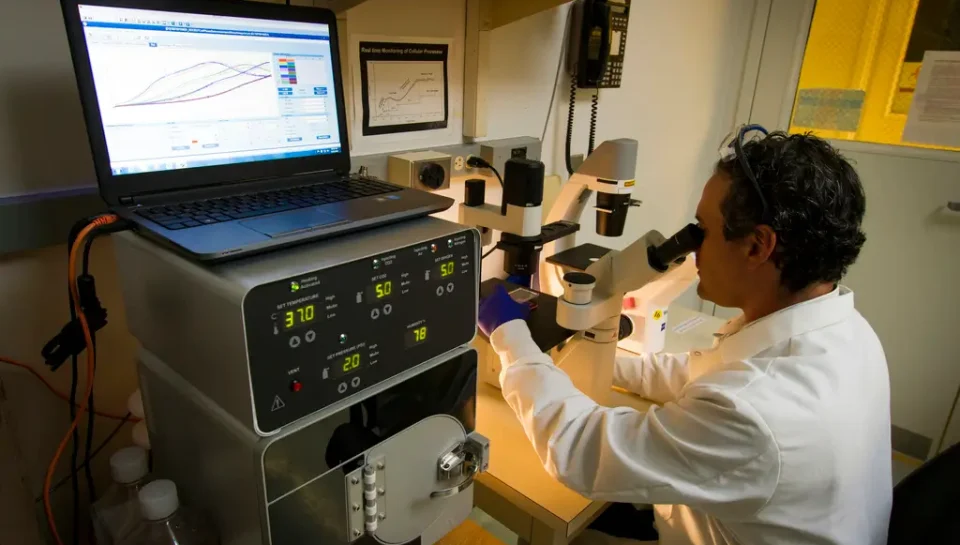

Acelerando Ensayos Clínicos con Analíticas Avanzadas y Visualización
In the rapidly evolving landscape of medical research, humanizing digital transformation for leaders has become a cornerstone of successful clinical trial management. While artificial intelligence and advanced analytics offer unprecedented speed in processing data, the human element remains the most critical factor in ensuring ethical standards and patient safety. By adopting a humanist perspective, organizations can balance the efficiency of digital tools with the essential need for human connection and oversight.
The Strategic Value of Humanizing Digital Transformation for Leaders
The integration of AI and data visualization has revolutionized how we approach complex datasets in the life sciences sector. These technologies have optimized clinical protocols, increased operational efficiency, and opened new opportunities for personalized medicine. However, to truly excel, organizations must implement digital transformation ethics in CRM and clinical systems to ensure that data serves the patient’s well-being first and foremost.
Despite these technological strides, the human challenges of a digital-first environment are significant. Leaders must address risks such as information overload and the potential for social isolation among research teams. Successfully humanizing digital transformation for leaders involves creating environments where technology acts as a bridge rather than a barrier. This requires a proactive approach to team management and the implementation of robust AI employee burnout strategies to maintain long-term productivity and morale.
Maintaining Human Touch in AI Implementation
To foster a culture of innovation without losing the human essence, leaders should prioritize several key areas. First, collaborative digital spaces should be designed to encourage real-time interaction, ensuring that maintaining human touch in AI implementation remains a practical reality rather than just a theoretical goal. When teams feel connected, the data they analyze becomes more than just numbers; it becomes a tool for genuine healthcare improvement.
Education and constant training are also vital in this transition. Providing staff with the skills to use digital tools as enhancements to their professional judgment—rather than replacements—is essential. This includes deep dives into maintaining human touch in AI implementation and understanding the nuances of digital ethics. Such training ensures that as we accelerate clinical trials through analytics, we do not compromise the integrity of the research or the dignity of the participants.
Strategies for Inclusive and Healthy Digital Growth
- Digital Wellbeing Policies: Implement clear guidelines for “switching off” to prevent digital fatigue and preserve the mental health of research teams.
- Ethical Frameworks: Use analitica de datos to identify bias in clinical trials, ensuring diversity and inclusion are at the forefront of every study.
- Collaborative Technology: Utilize platforms that promote transparency and collective decision-making, keeping human intuition at the center of data-driven insights.
Conclusion
Equilibrating the human dimension with rapid technological growth is not a simple task, but it is indispensable for the future of clinical research. Humanizing digital transformation for leaders is a responsibility that ensures we do not lose sight of our fundamental skills: the ability to connect, care, and collaborate. By guiding this process with empathy and ethics, we can create a society where technology serves as a powerful bridge for strengthening human relationships and medical breakthroughs.
Ready to transform your data strategy while keeping your people first? Contact us today at https://datainnovation.io/contactar/ and let’s discuss how to elevate your digital journey.