





Customer Relationship Management: The Evolving Role of Consumer Data
In the modern digital landscape, optimizing CRM data strategy is no longer optional; it is the cornerstone of sustainable growth. Data fuels every critical decision and transforms core business processes from the ground up. By focusing on business optimization through the strategic collection, analysis, and visualization of consumer information, organizations can refine their operations and secure long-term success in a crowded market.
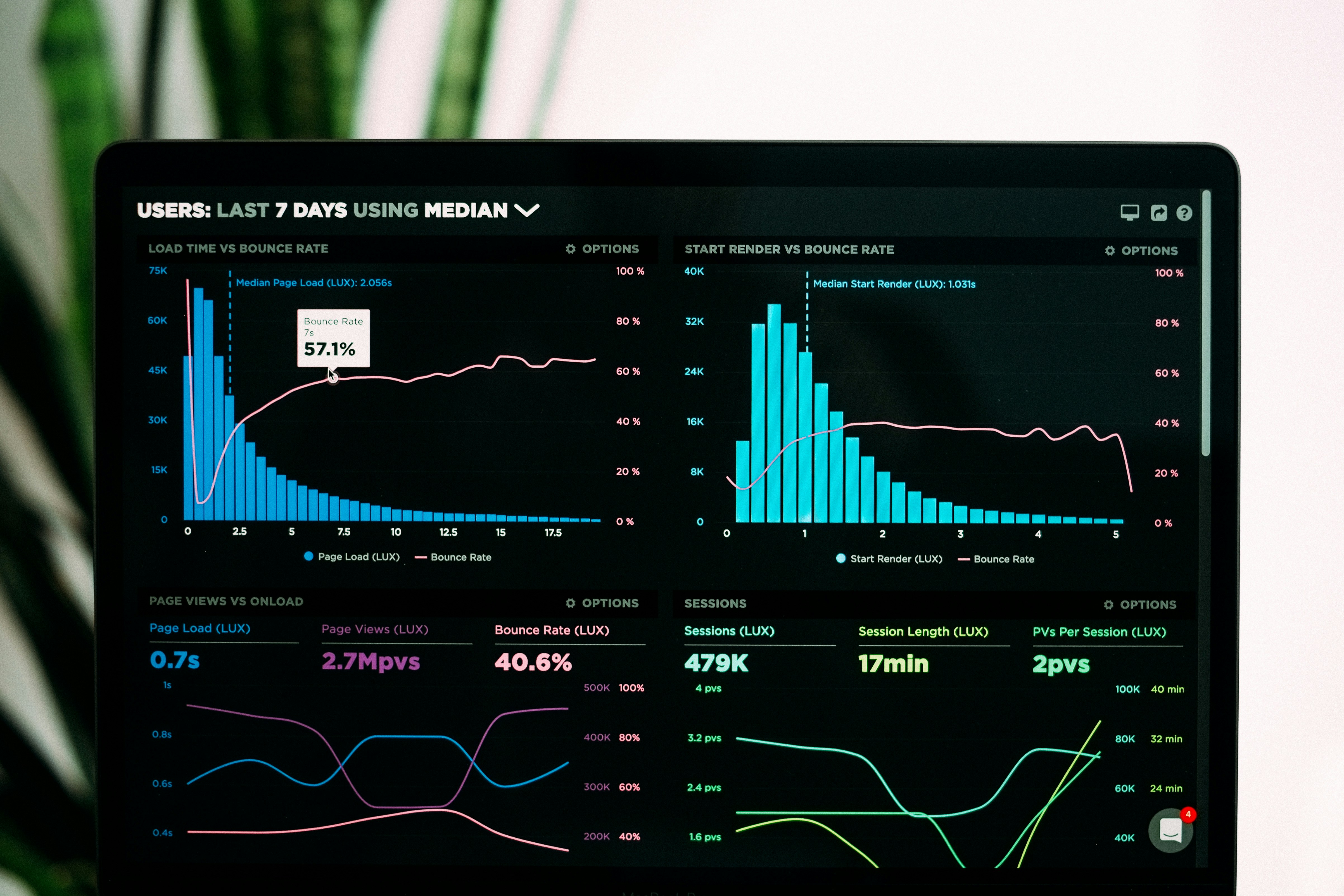
Optimizing CRM Data Strategy Through Advanced Visualization
Understanding how to visualize CRM data effectively is one of the most significant advancements in modern management. Visualization tools such as Tableau and Power BI enable companies to convert complex, fragmented data sets into understandable and actionable charts. Through dynamic graphs and real-time reports, decision-makers can obtain clear insights that drive immediate action.
For instance, a dashboard displaying sales performance by region can help identify emerging market opportunities or areas of low performance. This level of clarity is essential for aligning data analytics strategy with customer positioning. Such visualizations facilitate rapid strategic adjustments that were previously unimaginable without the ability to analyze large volumes of data instantly.
ETL Processes for Business Optimization
The Extract, Transform, Load (ETL) process is fundamental to optimizing CRM data strategy given the vast and varied data companies accumulate today. This process ensures that information is not just stored, but actually usable for decision-making. Using ETL processes for business optimization involves three distinct stages: extraction from various sources, transformation for consistency, and loading into a central data warehouse.
A retail company might use these processes to gather data from online sales, inventory levels, and customer feedback. By integrating these points, the company can improve inventory management and customize offers. This level of integration is a core component of strategic CRM enablers, which help businesses move beyond simple data storage to meaningful application.
Predictive Analytics for CRM Leaders
The sophisticated use of analytical tools and Machine Learning enables companies to move beyond understanding the past to foreseeing future market scenarios. Leveraging predictive analytics for CRM leaders can completely transform a company’s market position by identifying trends before they fully materialize. This proactive approach is a key part of scaling digital transformation with AI.
Consider a fashion company that uses statistics from previous purchases and social media sentiment to predict which styles will be popular next season. By anticipating these trends, they can adjust their production and marketing to maximize sales. Many luxury fashion brands leading in customer engagement already utilize these techniques to maintain their competitive edge and react faster than their rivals.
Conclusion
Modern companies are surrounded by an unprecedented amount of data, but the true advantage lies in optimizing CRM data strategy through technical excellence. Organizations that manage this abundance through effective visualization, robust ETL processes, and predictive analysis will be at the forefront of market transformation. These tools complement each other, transforming raw data into a lever for sustained business success.
The key is to integrate these techniques so they enhance daily operations while providing a roadmap for the future. In the current competitive landscape, the ability to see and foresee are the two sides of the same coin. Learn more about improving your deliverability and CRM health.
Ready to optimize your data strategy? Let’s talk today!
Source: Original Analysis Reference