


Stuck paying for AI that underperforms? Many companies find themselves locked into expensive contracts with proprietary AI vendors, only to discover the models don’t quite fit their specific needs. The cost of customization and ongoing usage quickly spirals, overshadowing any potential ROI. Finding ways of controlling AI deployment spend is becoming critical for survival.
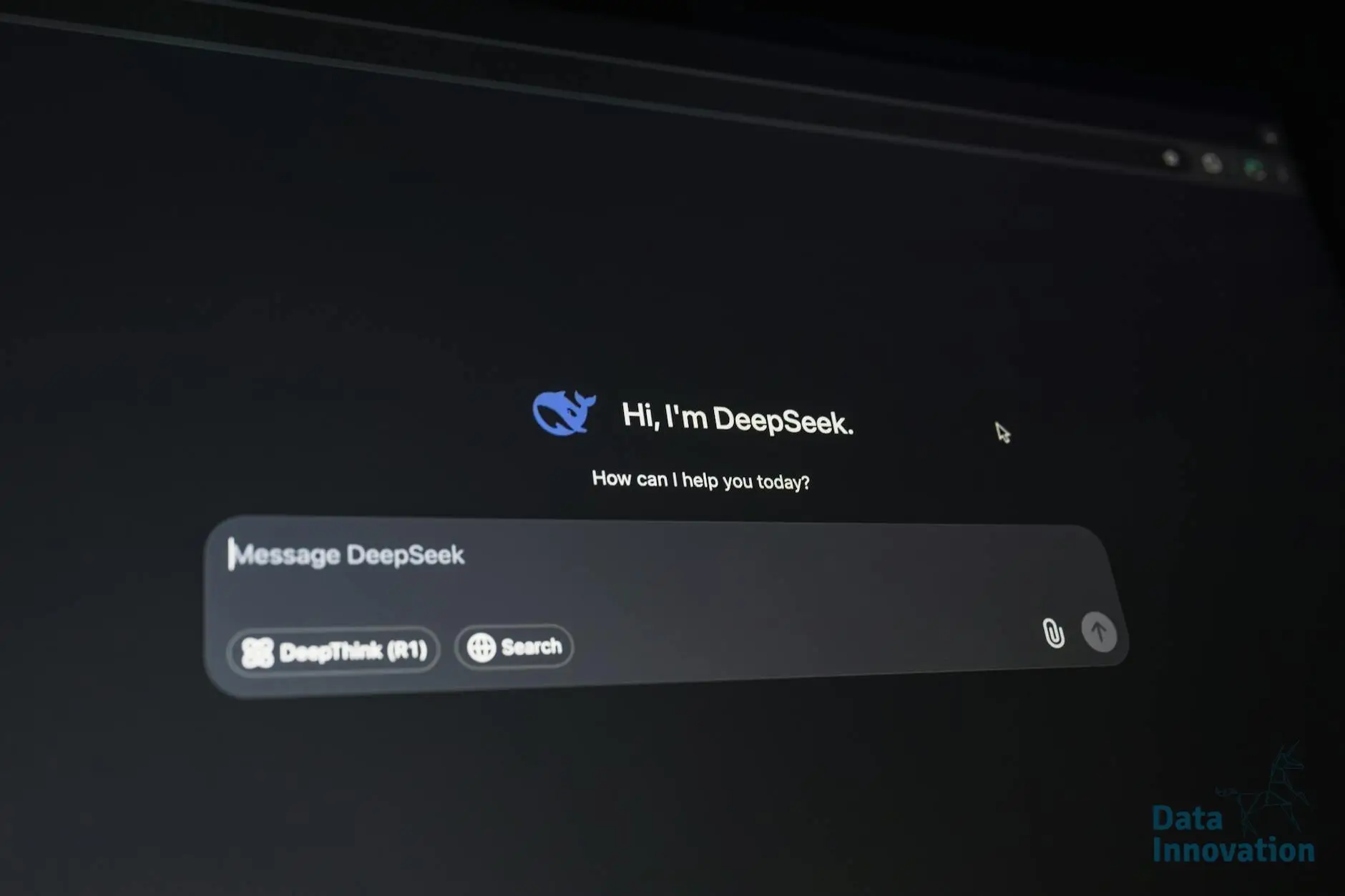
DeepSeek-V3 offers a compelling alternative. This open-source model promises performance rivaling GPT-4o for enterprise applications, but without the hefty price tag and restrictive licensing. But how does it actually stack up? And what are the real-world implications for businesses looking to adopt AI without breaking the bank?
How DeepSeek-V3 Breaks the Proprietary Pricing Trap
DeepSeek-V3 presents a viable path to lowering AI training expenses. Historically, training large-scale models demanded vast financial resources, effectively excluding startups and academic labs. By utilizing a Mixture-of-Experts (MoE) architecture, this model provides a powerful, affordable alternative that enables high-level digital transformation across diverse sectors. This is especially vital for manufacturing, where strategic integration is transforming production through cost-effective tech.
The Democratization of AI Innovation
AI democratization goes beyond simple economics; it fundamentally changes software development and deployment. When a strong model is released openly, its applications multiply, leading to leaner implementation across specialized sectors. Universities can research new applications without restrictive licenses, while developers can customize the codebase to meet specific regional or industrial needs. This is similar to how CRM in Life Sciences has evolved into a strategic driver of innovation.
Instead of a few corporations dictating progress, innovation becomes collective and distributed. For marketing automation and data analytics, this means specialized tools and faster iterations. Small businesses can now boost customer engagement using sophisticated AI-driven insights previously deemed too expensive. By lowering the barrier, the ecosystem benefits from diverse voices and solutions.
Leveraging Local Inference for Data Sovereignty and Security
The rise of high-performance open-source models impacts tech governance and data security. Using an open source LLM for data sovereignty lets companies keep sensitive information within their infrastructure, avoiding external APIs that pose privacy risks. This transparency is essential for building trust in AI systems. Providing a viable GPT-4 competitor for enterprise ensures no single entity monopolizes the path toward general intelligence.
These models lower hurdles for those building without corporate permission or steep fees. Open access allows safety and bias audits, ensuring the technology evolves to benefit a broader segment of society. By optimizing infrastructure costs, the community creates a level playing field. This transparency is vital for organizations adhering to strict regulations and compliance standards.
The AI Cost Reduction Framework
Before diving into DeepSeek or any other solution, consider this framework to pinpoint areas for optimization and evaluate the true savings of different models.
| Cost Factor | Proprietary Model (e.g., GPT-4o) | Open-Source Model (e.g., DeepSeek-V3) | Optimization Strategies |
|---|---|---|---|
| Initial Licensing Fees | High (Subscription-based) | None (MIT License) | Evaluate usage patterns; negotiate volume discounts if applicable. |
| Compute Infrastructure | Managed by provider (included in fees) | Self-managed (on-premise or cloud) | Optimize model size and inference; leverage GPU instances efficiently. |
| Customization & Fine-tuning | Limited; Requires specialized APIs | Highly Customizable; Direct weight access | Focus on targeted fine-tuning with relevant data; avoid over-fitting. |
| Maintenance & Updates | Managed by provider | Self-managed (Community support) | Establish robust monitoring and maintenance; stay updated with community releases. |
| Data Security & Compliance | Vendor-controlled; Potential privacy risks | Self-controlled; Enhanced data sovereignty | Implement stringent security protocols; ensure compliance with data regulations. |
Data Innovation, a Barcelona-based CRM optimization and deliverability company sending over 1 billion emails monthly, has found that proper infrastructure setup—such as utilizing vLLM for optimized inference—can reduce open-source AI compute costs by up to 60%.
Our Pain: The Limits of DIY Fine-Tuning
We learned a harsh lesson in 2022 while assisting a media client in personalizing content recommendations. We initially believed fine-tuning an open-source model would be far cheaper than using a proprietary API. However, we underestimated the data validation overhead. We used a “dirty” dataset containing old metadata, and the first fine-tuned model produced irrelevant, nonsensical suggestions. We wasted three weeks and $4,500 in compute resources. This taught us to invest heavily in data quality and automated pre-processing pipelines before any fine-tuning occurs.
Data Innovation: A Balancing Force in the Market
At Data Innovation, we view breakthroughs like DeepSeek-V3 as a balancing force in the market. A startup in Medellín, a university in Lisbon, or a research lab in Córdoba can now experiment with cutting-edge AI. Access to these tools is vital if we want the benefits of AI to spread globally rather than concentrate in a few corporate hands. As we help organizations navigate their data journeys, these open-source alternatives provide flexibility and scalability for modern digital environments.
Organizations can leverage these models to build custom solutions they fully own and manage. This model sovereignty is critical for companies maintaining a competitive edge. By understanding how to manage AI training expenses, companies can reallocate budgets toward specialized talent and proprietary data collection. This shift ensures focus on creating unique value rather than simply paying for basic infrastructure.
Conclusion
The true impact of DeepSeek-V3 remains to be seen, but every robust open-source release changes the game. In a world where AI is becoming the backbone of infrastructure, open alternatives are essential for a competitive and innovative future. By scaling digital transformation with AI, we ensure the next wave of innovation is driven by many voices. Focusing on efficiency is key to long-term accessibility.
If your AI implementation costs are exceeding your projected ROI by more than 30%, or if you find yourself unable to move sensitive data to the cloud, it’s time to re-evaluate your strategy. Are you truly leveraging the cost-saving potential of open-source solutions?
If you’re struggling to scale your AI initiatives due to budget constraints or vendor lock-in, explore the documented strategies we use to help organizations leverage open-source models for reducing AI implementation costs → datainnovation.io/en/contact
FREE DIAGNOSTIC – 15 MINUTES
Is your ESP eating more than 25% of your email marketing revenue? Are your emails missing the inbox? Is your team spending hours on tasks that smart automation could handle on its own?
We’ll review your real sending costs, domain reputation, and automation gaps – and tell you exactly where you’re losing money and what you can recover with managed infrastructure, proactive deliverability, and agentic automation.