



Digital Transformation Data Strategies for Growth
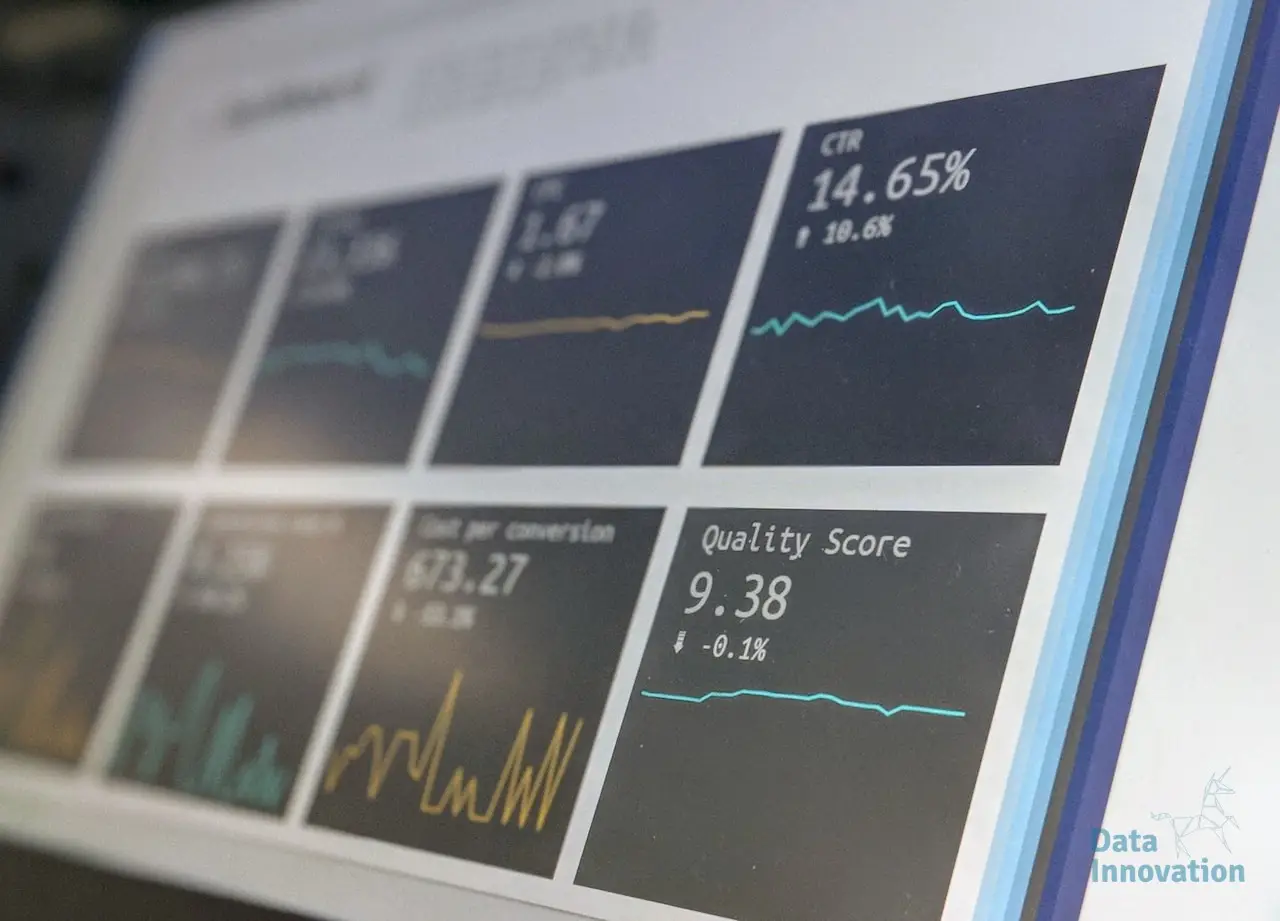
Your e-commerce traffic is up, but profit isn’t. You’re paying for more sessions, your dashboards look “healthy,” and conversion won’t move. You have the data, but it isn’t changing decisions. Effective digital transformation data strategies start when data stops being a report and starts being a steering wheel for revenue.
Modernizing isn’t “digitizing.” It means changing how you allocate resources and measure success across the company. Data must inform decisions at every level. This lets established brands fight off digital-first competitors in a crowded market. It demands a purposeful restructuring that includes processes, culture, and business models.
Unlock Revenue with the “Data Flywheel” Framework
It’s a myth that transformation is just installing software or moving to the cloud. While tech is an enabler, strategic use of digital transformation data strategies drives real change. Without data flow, technology becomes an expensive silo.
Many leaders search for how to fix failed digital transformation projects overly focused on tools. McKinsey & Company found that data-driven companies are 23% more likely to succeed. Effective transformation needs precision to handle market shifts. Data guides each step to avoid pitfalls and wasted capital.
Data Innovation, a Barcelona-based CRM specialist managing over 1 billion emails per month, has seen companies double their conversion rates by implementing a robust data flywheel.
The Data Flywheel framework focuses on building a self-reinforcing cycle of data collection, analysis, action, and measurement. The faster the wheel spins, the greater the impact.
The Data Flywheel
- Collect: Gather data from all customer touchpoints (website, CRM, email, social media).
- Analyze: Identify patterns, trends, and opportunities using analytics tools.
- Act: Implement changes based on data insights (e.g., personalize offers, optimize website).
- Measure: Track the impact of changes on key metrics (e.g., conversion rate, revenue).
- Refine: Use the measurement data to optimize the process and start again.
Stop Wasting Money on Business Analytics
Organizations see tech shifts as costly and risky. However, when implemented strategically, the business analytics ROI for executives provides savings and reduces long-term risk. This is vital in sectors like healthcare, where precision is essential, as noted in the Health Executives’ Guide to Digital Transformation on AWS. Align every tech dollar with improved operations.
A Deloitte report shows that companies investing in advanced analytics see a 130% ROI. Real-time digital transformation data strategies let companies anticipate changes and adapt quickly, minimizing risk. Predictive models replace reactive strategies, securing your financial future. Scale aggressively, avoiding typical growing pains.
The Painful Lesson We Learned About Data Silos
In 2020, we consulted with a major media group that had invested heavily in marketing automation. They had all the latest tools, but their departments weren’t sharing data. The result? Redundant campaigns, frustrated customers, and wasted budget. We watched their engagement plummet 18% before we could break down the silos and build a unified customer view. The entire team learned a powerful lesson that day.
Scale E-commerce for Niche Markets
It’s assumed only big companies can implement advanced data strategies. SMEs can benefit significantly by scaling e-commerce with data to target niche markets. The E-commerce startup Swap secured $100M in funding to scale with sophisticated digital tools. High-level analytics are now essential for any growing brand.
Boston Consulting Group found that SMEs using advanced digital tools grow and export twice as much. Refined digital transformation data strategies let these companies find opportunities and optimize. Analyze and act on information, no matter your size. Smaller firms can outmaneuver less agile competitors by focusing on scalability.
Empower Your CRM Team with Data Access
The belief persists that data analysis is too complex for most employees. Democratization of digital tools makes data-driven decision making for CRM leaders accessible to everyone. When every department has actionable insights, the entire company moves faster. Modern retailers also reclaim the customer journey from marketplaces to control their data better.
PwC says that companies training employees in digital competencies improve operations and increase employee satisfaction. Employees feel more empowered when they see the impact of their work through data. This transparency solves operational bottlenecks with data before derailing an omnichannel strategy. Training unlocks the full potential of your tech investments.
Conclusion
Demystifying digital transformation is vital for thriving. It’s a multifaceted strategy that, focused on effective use of digital transformation data strategies, transforms operations and creates value. Those exploiting this potential will survive and thrive.
Data Innovation, with over 20 years of experience optimizing CRM and deliverability for clients like Nestlé, helps companies across 8 countries turn data into growth.
If you’re struggling to connect your marketing spend to tangible revenue gains despite implementing new digital transformation data strategies, explore our documented approach to building a robust data flywheel → datainnovation.io/en/contact
FREE DIAGNOSTIC – 15 MINUTES
Is your ESP eating more than 25% of your email marketing revenue? Are your emails missing the inbox? Is your team spending hours on tasks that smart automation could handle on its own?
We’ll review your real sending costs, domain reputation, and automation gaps – and tell you exactly where you’re losing money and what you can recover with managed infrastructure, proactive deliverability, and agentic automation.